Proving transcreation beats translation
I needed to prove two things the company didn't yet believe: that localisation is a product lever rather than a translation cost, and that experimentation was worth building into how we work. The app store was the safest place in the business to prove both.
The situation
what3words shipped in over 30 languages. Localisation was treated the way it is almost everywhere: a downstream cost, a thing you do to a finished product before it goes out. Translate the English, ship it, move on.
I thought that was leaving a large amount of value on the table, and I wanted to prove it with numbers rather than argue it in a meeting. I also wanted something else — the product team wanted more buy-in for incremental, experiment-driven development, and there was no culture of testing to build on.
Those two goals turned out to have the same answer. The Google Play Store's listing console was sitting there unmanaged: low risk, no engineering time, live traffic, and results you can measure in days. It was the ideal place to run a real experiment about localisation — and to teach a company what experimentation feels like when it works.
I got buy-in to set up a cross-functional task force and led a group of seven people pulled from different teams. Our goals: prove localisation moves a commercial metric, get the company genuinely excited about testing, and build better collaboration between product and marketing along the way.
Assembling the team
Seven people, drawn from product, marketing, localisation and design — deliberately not a localisation project staffed by localisation people. If the point was to change how the company thought about language, the people who needed convincing had to be in the room doing the work.
Why localisation became the strategy
We built a backlog, sized it, and ran a mini sprint-planning session every week to decide what to pull in. With five testing slots running at once and listings live in over 30 languages, localisation stopped being a nice-to-have and became the core lever — we could run different tests in different languages simultaneously and learn faster than testing English alone ever would.
Initially we ran the same tests across our core markets — UK, US, Germany, Japan, India. Then our localisation manager brought back culturally-specific test ideas from a network of local translators, and we shifted to hyper-localised listings: different visuals, different messaging, different tests per market, based on what local experts actually recommended rather than what we assumed would travel.
What "sourceless transcreation" actually means
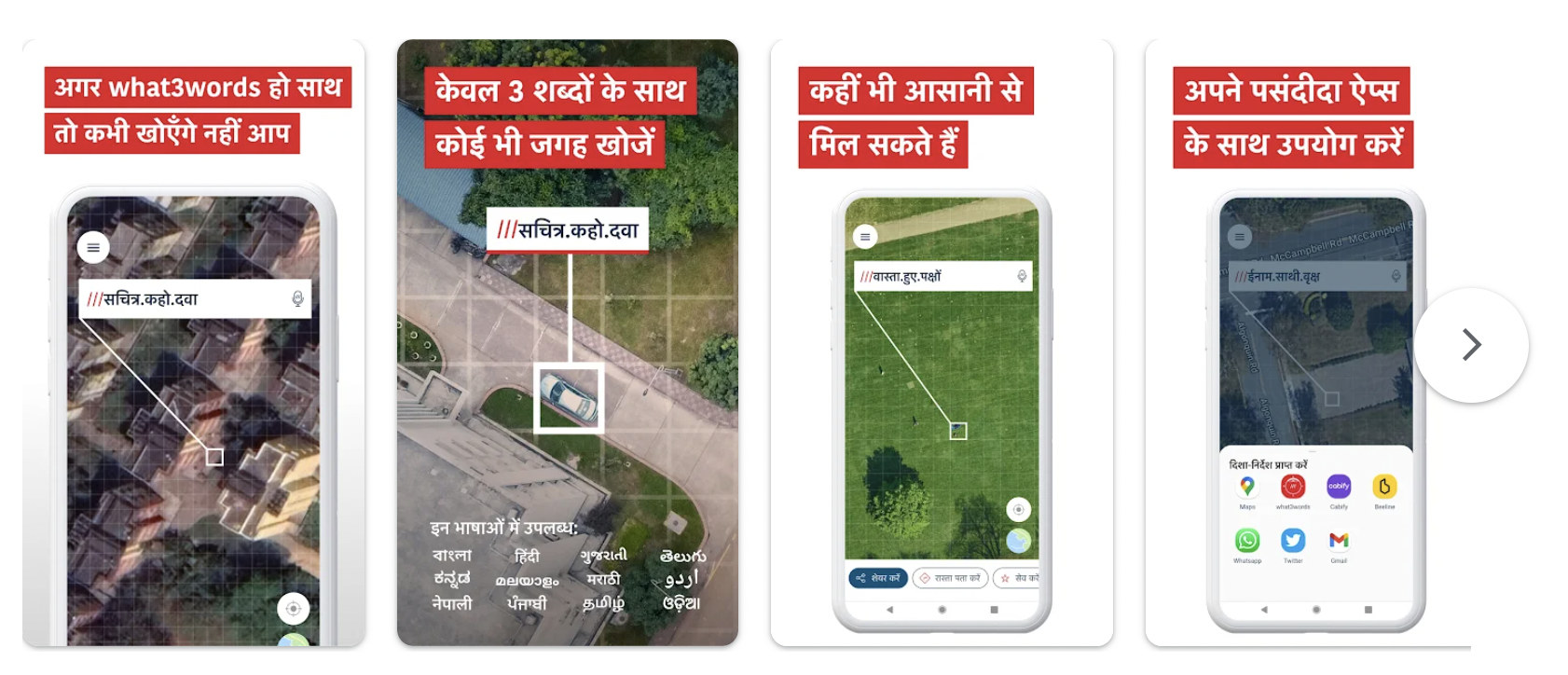
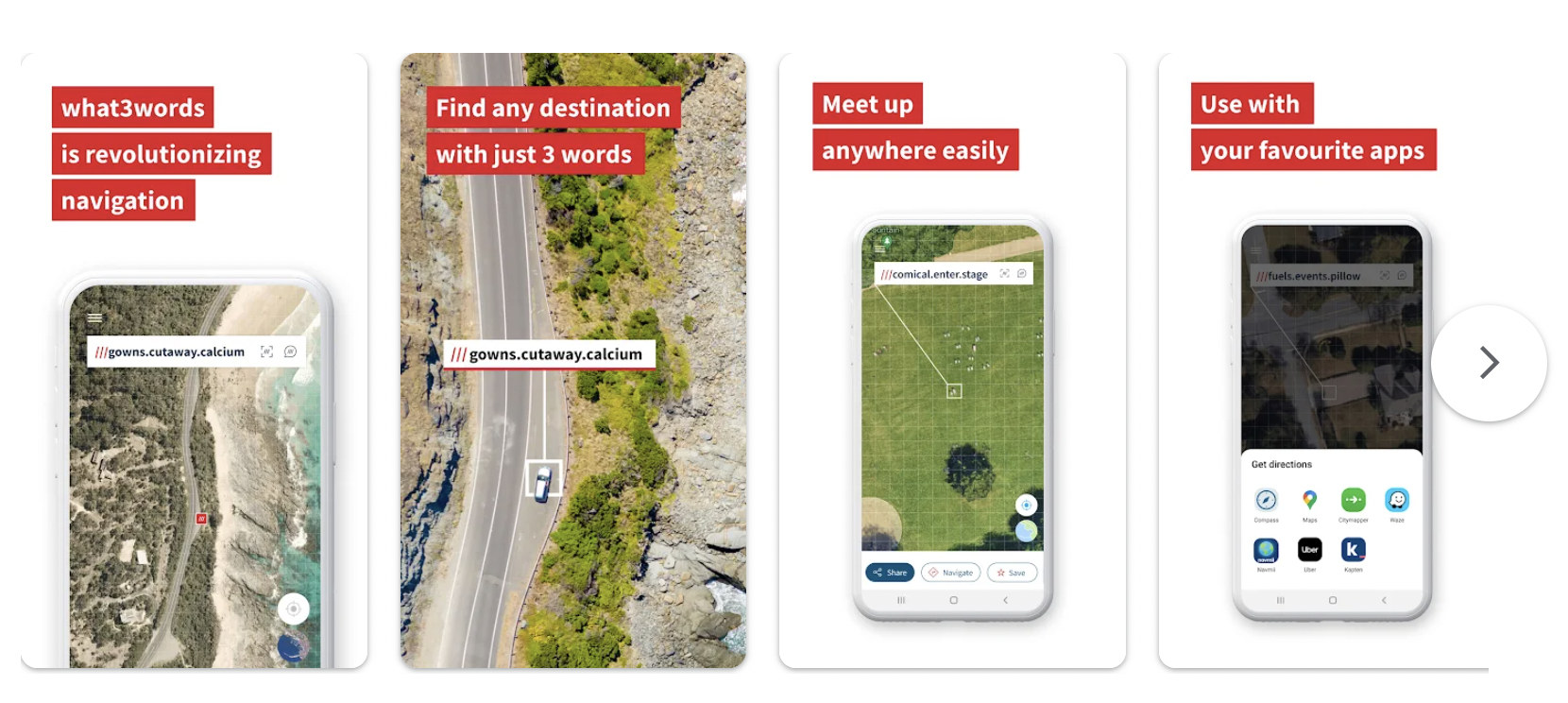
The instinct on most teams is to translate: write the English listing, hand it to a translator, get back the same listing in another language. Sourceless transcreation skips that hand-off entirely. Instead of translating the finished English copy, our localisation lead gave each market's translation specialist the same brief and inputs we'd used to write the English listing from scratch — the app's value proposition, the target audience, the goals for that screenshot — and asked them to build their market's listing as its own thing, not a derivative of ours.
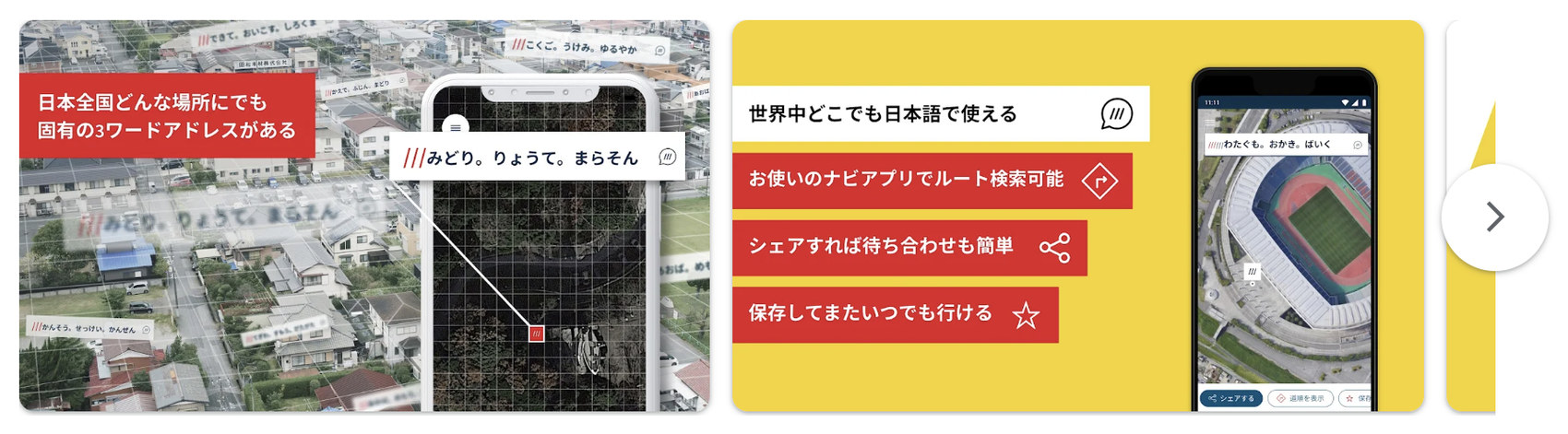
In practice that meant a translator could throw out an English headline entirely if it didn't land, choose different screenshots to feature, and even pick a different colour scheme if red didn't carry the same meaning locally. The English listing stopped being "the" listing and became just one input among several a local expert could draw on.
The proof point
Japan is the case worth quoting because it's the one with a hard before-and-after. Our conversion rate there started below 25% — fewer than 1 in 4 visitors downloading. After the sourceless transcreation approach above, it rose 179%. It's the clearest single proof point in the project, but it's also just the most visible example of a pattern that held everywhere we applied the same method.
Principles for transcreation
The method that came out of this is the one I've used on every localisation programme since — including 7,000+ strings across 12 languages for Klarna's app redesign.
Send the brief, not the copy
This is the whole idea in one line. A translator working from your finished English can only ever produce a version of your English. A local expert working from the same inputs you had — the value proposition, the audience, the goal for that screen — can produce the thing their market actually needs.
Let local experts overrule you — including on things that aren't words
A translator on our programme could throw out an English headline entirely, choose different screenshots to feature, and change the colour scheme if red carried the wrong meaning locally. Japan's listing shifted from red to yellow. That isn't a translation decision, and no translation brief would ever have surfaced it — but it's exactly the kind of decision that moves a conversion rate.
Transcreation isn't only about words
This was the part that surprised the company most. Once local experts were briefed rather than handed copy, they started changing things nobody had thought of as "content" at all — and those changes moved the numbers as much as the language did.
- Colour. Japan's listing moved from our red brand palette to yellow. Red carries different associations there, and our global brand consistency was quietly costing us conversions.
- Places shown. Screenshots featuring recognisable local locations outperformed generic maps everywhere we tried it. A user needs to see their own country in the product before they believe it works there.
- Which features lead. India's team led with language breadth — listing every Indian language the app supported — because that was the proof point that mattered locally. No English-first listing would ever have surfaced it.
- Screenshot order. Which benefit deserves to be first is a market-specific judgement, not a global one.
The lesson I took into every localisation programme since: if your local experts can only change the words, you've given them a translation brief with extra steps.
The English version is an input, not the source of truth
The single most important mental shift, and the hardest one for teams to make. Once English stops being "the" version and becomes one market's version among several, everything downstream changes: how you write strings, how you brief, who gets to say no. India's team turned the app's multi-language support into a headline selling point — a message that only makes sense written for that market, never translated into it.
Write source content that's ready to be left behind
Transcreation only works if the reasoning behind a string is captured somewhere other than the string itself. That means string descriptions that record intent, constraints and context — so the person rebuilding it in another language has what they need to make their own decision rather than guessing at yours.
Prove it somewhere cheap before you argue for it somewhere expensive
Nobody was going to let me restructure product localisation on the strength of an opinion. The store listing was low-stakes, fast to measure and needed no engineering — which made it the perfect place to generate evidence. Pick the safest possible venue for your first proof, then spend the credibility somewhere that matters.
The culture was the other deliverable
I deliberately mixed testing sceptics with people who'd been at the company long enough to carry real influence — the second group needed to become believers for any of this to outlive the project. Everyone got an area of ownership; anyone could suggest ideas for someone else's area, but the owner had final say as the accountable expert. We built a backlog, sized it, and ran a mini sprint-planning session weekly to decide what to pull in.
Monthly all-hands updates became a genuine highlight — people started guessing which variant would win before results came in, which is roughly the moment you know experimentation has stopped being a process and started being a habit. The programme's learnings fed marketing campaigns and opened the door to testing inside the app's onboarding itself. The task force outlasted me.
What the numbers proved
The Japan number is the headline, but the real result was that it wasn't a one-off. Once sourceless transcreation proved itself there, we rolled the same method out across every core market — UK, US, Germany, Japan, and India — and the pattern repeated: each market's conversion rate climbed once its listing stopped being a translation and became a locally-authored one. By the end of the year:
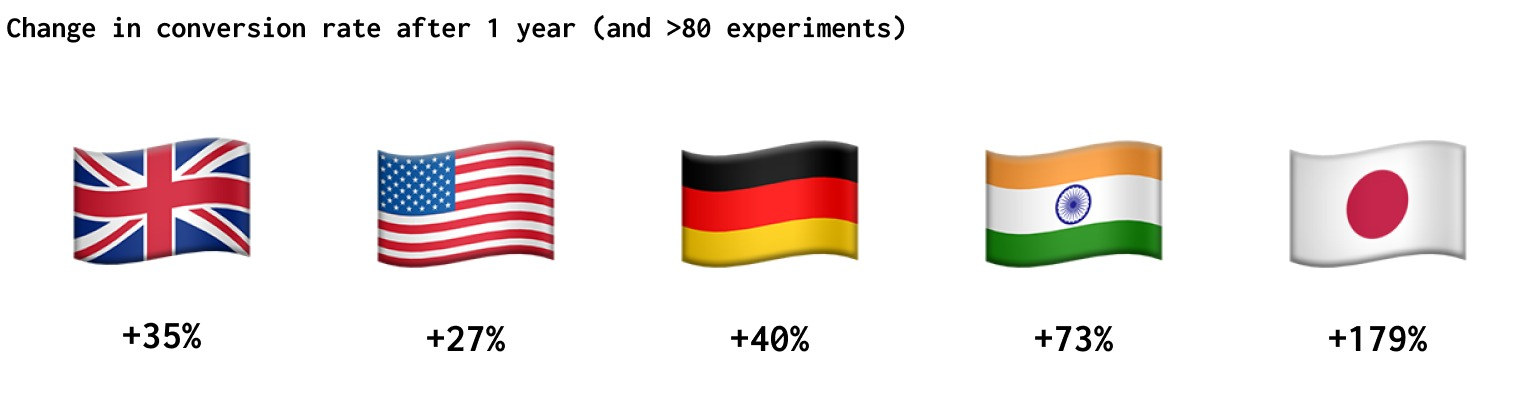
- Every core market — UK, US, Germany, Japan, India — saw a sustained conversion increase versus its pre-transcreation baseline, not just a short-lived test bump.
- India (+73%) and Japan (+179%) — the two markets where the local teams departed furthest from the English original — produced the two largest gains by a wide margin.
- The UK (+35%) and US (+27%) gained least, which makes sense: they were already being written natively. The gap between them and everyone else is, roughly, the cost of translation.
- Across the cohort, we added hundreds of thousands of incremental downloads annually with no increase in ad spend.