Validating a product before building it
A year as acting CMO for a Y Combinator-backed startup, testing product ideas fast enough to know which ones deserved real investment — and which didn't.
The situation
I supported Augmentor, an early-stage, Y Combinator-backed startup, for a year — testing and validating a series of product ideas, and helping the founders navigate several pivots along the way. That meant building functional MVPs on limited resources, running landing page MVPs to test messaging, setting an outreach and content marketing strategy, and putting together pitches for corporate clients. I was acting CMO: setting and running the strategy to validate product-market fit, and making the call on when it was time to pivot.
What follows is the high-level version — the goal here was speed and validation, not secrecy, but some of the specifics stay with the company.
Designing the platform, without a designer
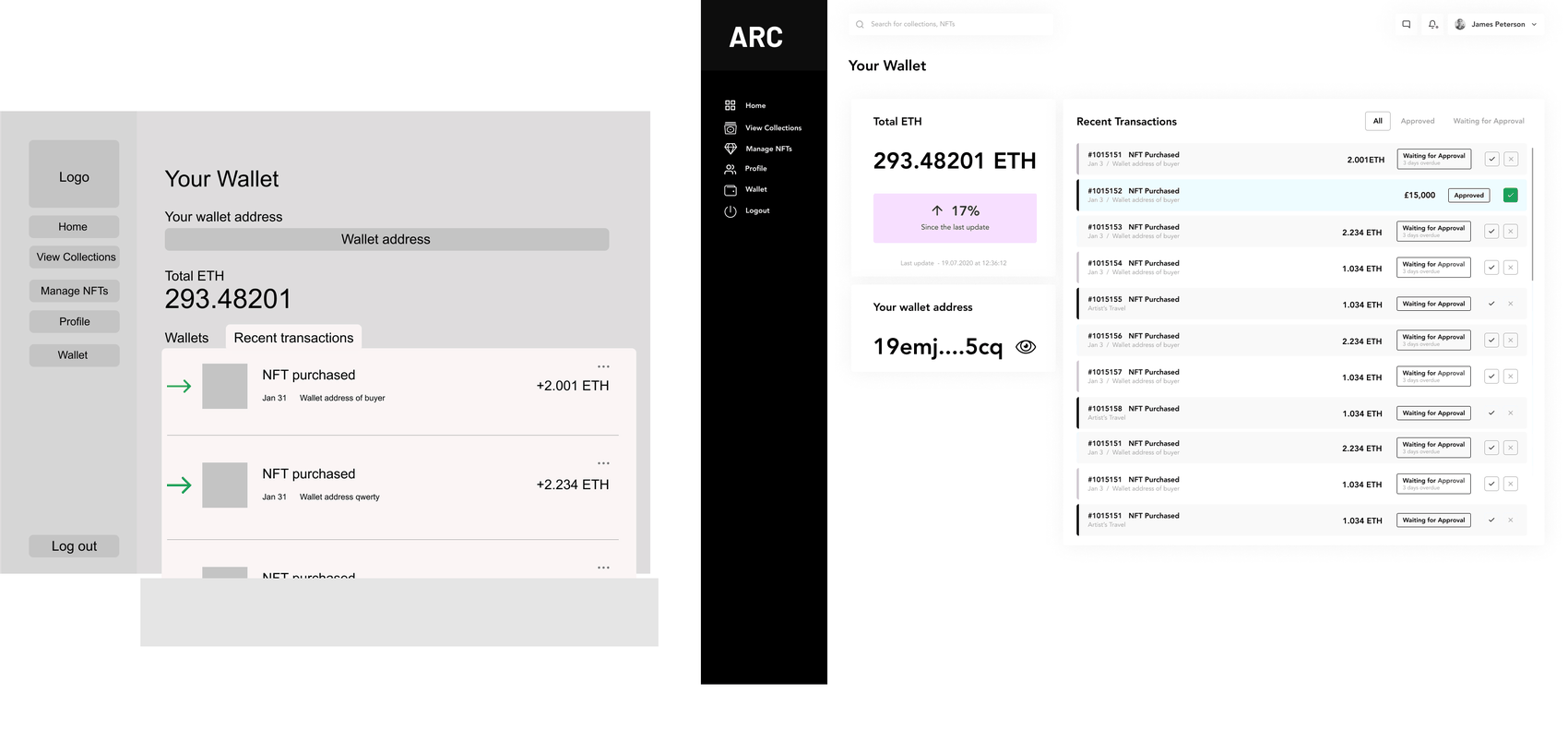
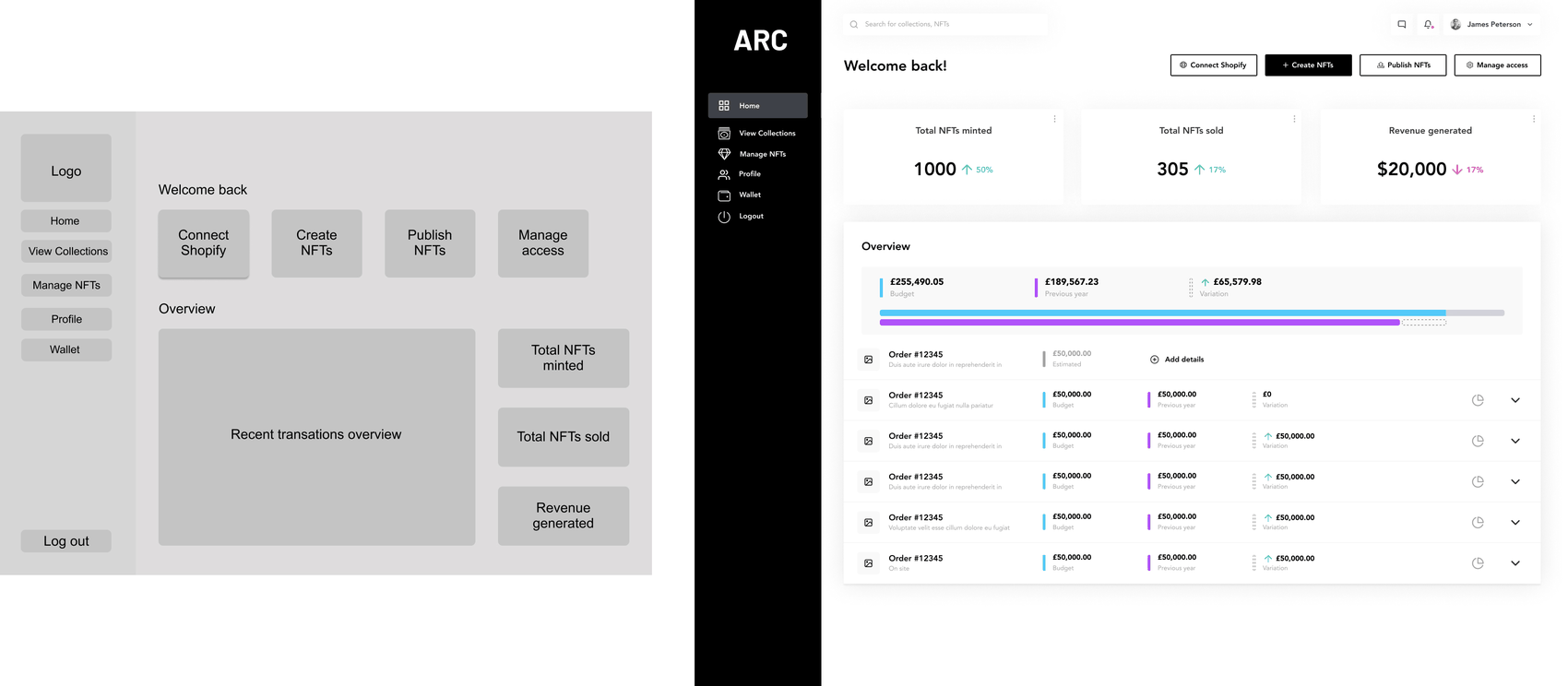
One product idea needed a simple platform letting merchants list a new kind of product on their Shopify sites. One of the founders could code it; I had a UX background, though not formal UX design training. Over a series of evening sessions, I walked the founders through the process from scratch: listing the full set of Jobs To Be Done, mapping those against a user flow, defining the screens each flow needed, then specifying the concrete components and interactions on each one.
From there, I turned the wireframes into high-fidelity designs — good enough to put in front of potential clients and gauge real interest, before a single line of production code was written.
Testing demand with a landing page, not a platform
A second idea — a platform making it simple to create and list NFTs — needed a different kind of test. Building it fully would have taken real investment, so before committing to that, I built a simple landing page using Unicorn Platform to validate whether the actual audience, indie businesses, artists, and photographers, wanted it at all.
We defined Ideal Customer Profiles for that audience, then mined real conversations on social media to write messaging aimed squarely at each one, rather than guessing at what might land.
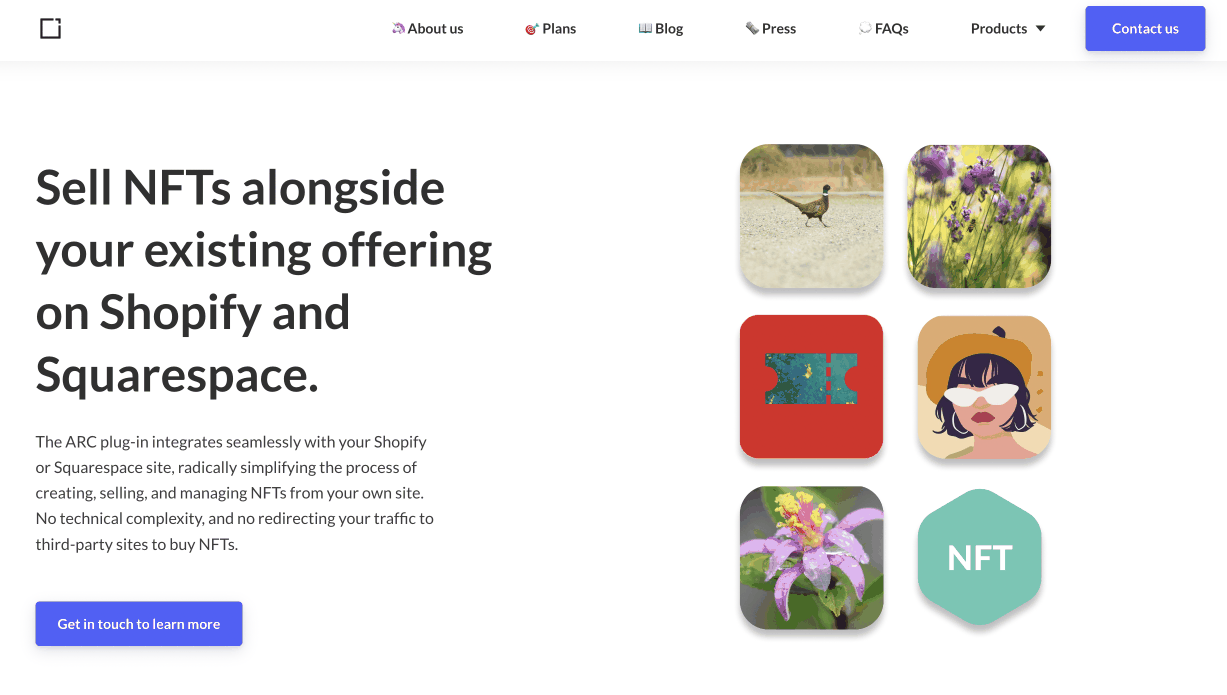
Search ads and cold outreach on LinkedIn drove traffic to the page, and the ad platform let us A/B test messaging directly — which meant we could refine the site's content and product description, and increase sign-ups, using real response data instead of internal opinion.